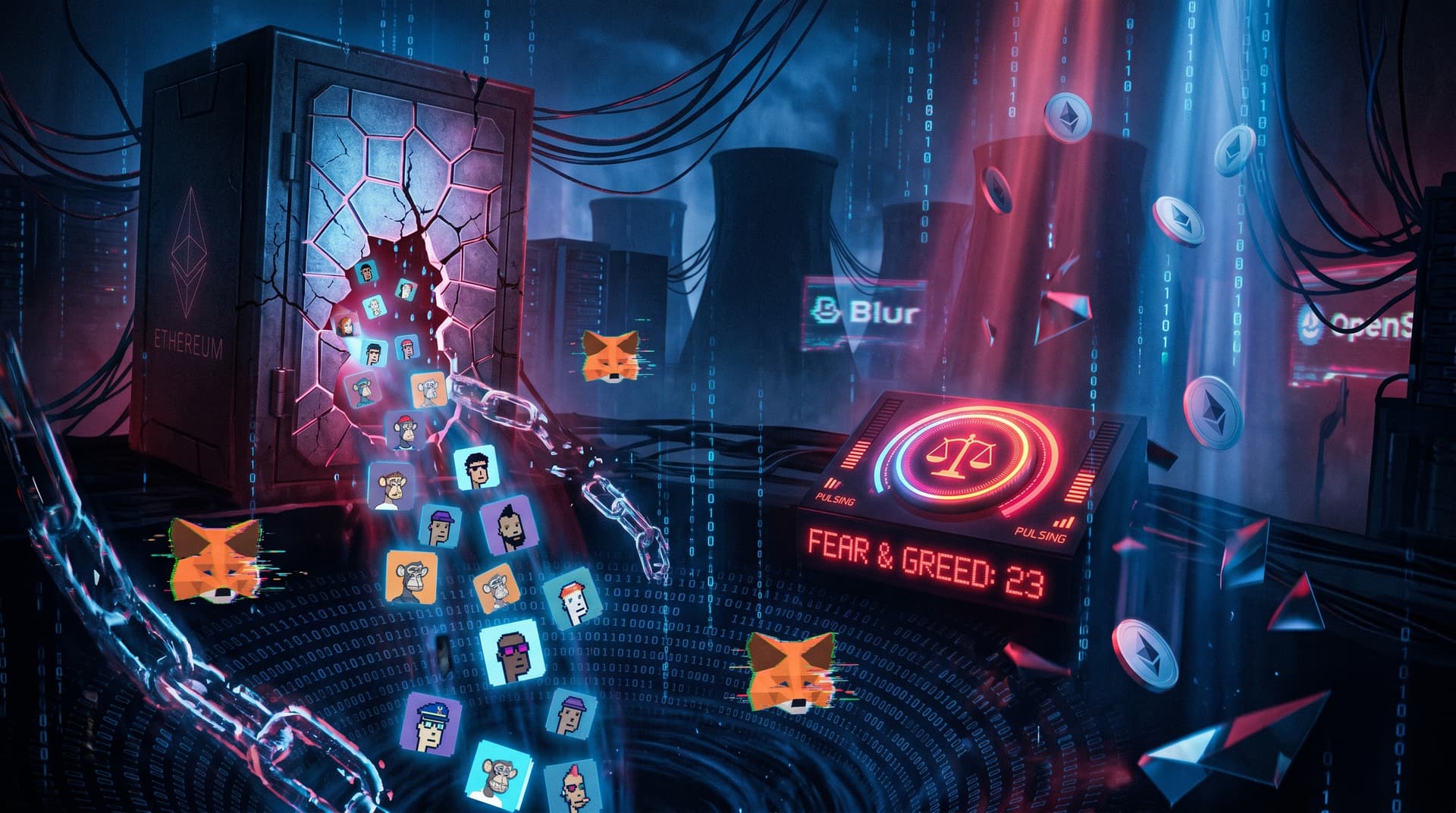
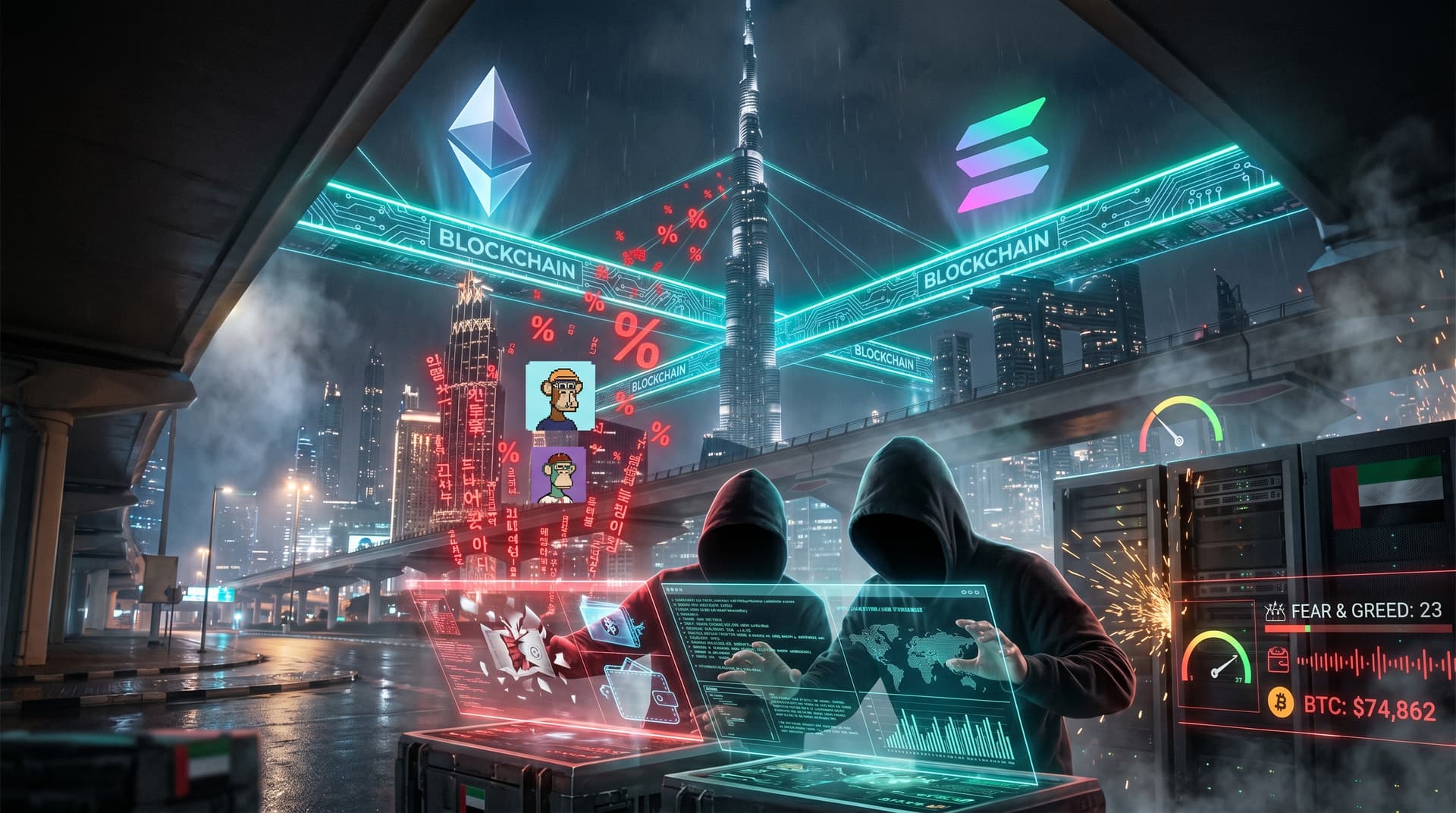
Smith County Sheriff’s Office issued a crypto scam alert on April 12, 2026. Scammers target NFT users with fake airdrops and phishing links. Victims lose ETH, USDC, and NFTs instantly.
The alert highlights DMs promising free NFTs mimicking Bored Ape Yacht Club (BAYC) derivatives. Links direct to cloned OpenSea sites on Ethereum mainnet and Solana. EastTexasNews.com first reported the sheriff's warning.
Scam Mechanics Target Ethereum and Solana NFTs
Scammers pose as OpenSea staff or project teams on X and Discord. Victims connect wallets to malicious smart contracts. These contracts exploit the approve() function, granting unlimited ERC-20 spends and draining ERC-721/ERC-1155 NFTs plus ETH.
Chainalysis documented 1,200 Ethereum incidents in Q1 2026, per their April 2026 report. Smith County deputies recorded five local complaints since April 10, 2026. Victims lost $450,000 USD total. Most traded on Blur marketplace, Ethereum L1 data shows.
Verify scam contracts on Etherscan.io for Ethereum (search tx hashes) or Solscan.io for Solana. Official BAYC contract: 0xbc4ca0eda7647a8ab7c2061c2e118a18a936f13d (ERC-721, Ethereum L1, 10,000 editions).
NFT Market Conditions Drive Scam Spike
Extreme fear amplifies scam success. Crypto Fear & Greed Index dropped to 16 on April 12, 2026, via Alternative.me.
Bitcoin traded at $71,569 USD, down 1.6% in 24 hours (CoinMarketCap, April 12). Ethereum hit $2,213.52 USD, down 1.2%. OpenSea Ethereum NFT volume declined 15% week-over-week to 2,500 ETH ($5.5M USD equivalent), per Dune Analytics NFT volume dashboard as of block 20,045,678 on April 12, 2026.
Solana NFT scams rose 40% year-over-year, Elliptic’s 2026 Crypto Crime Report states. Fake Pump.fun-style launches drained $2.5 million USD last month, Solana chain data confirms.
Blur secondary volume hit 1,800 ETH (Ethereum L1, 24h as of April 12), down 12% week-over-week, Reservoir protocol API data shows. Royalty enforcement at 5-10% on-chain aids legitimate trades but scammers bypass via off-chain clones.
Law Enforcement Response and Prevention Steps
Smith County deputies urge reports to IC3.gov. They train on Etherscan/Solscan for contract verification. FBI’s Virtual Currency Unit leads coordination. FBI seized $10 million USD in scam wallets on April 11, 2026, using TRM Labs forensics.
NFT holders: Check contract addresses and holder counts on-chain. Use Ledger Nano X hardware wallets. Revoke approvals at Revoke.cash (filters ERC-20/721 approvals). Avoid unsolicited links. Simulate txs on Tenderly.co before signing.
Enable 2FA on exchanges. Monitor wallets via Zerion or DeBank for suspicious approves.
Rising Crypto Scam Trends Beyond NFTs
Phishing caused $1.1 billion USD in 2025 crypto losses, FTC Q1 2026 update reports, up 20% from 2024. NFT frauds comprised 25%.
BNB Chain drainers surged 300%, PeckShield alerts confirm. Blockchain transparency tracks funds, but social engineering persists.
Texas Blockchain Council pushes statewide education campaigns. California and Florida sheriffs issued similar alerts last week.
Future-Proofing NFT Security
zkSync Ethereum L2 deploys zero-knowledge proofs for private NFT trades. Google’s 2026 AI study shows 92% phishing detection accuracy.
WalletGuard apps flag drainers real-time. Immunefi disbursed $50 million USD in 2025 bug bounties for NFT protocols.
EU MiCA regulations enforce KYC from July 2026. On-chain verification remains key: always confirm floor prices, volumes, and royalties from aggregators like Reservoir or Blur before engaging.
This crypto scam alert underscores vigilance in NFT markets. Verify on-chain data—contract addresses, holder distributions, tx histories—to shield assets amid volatility.
Isabel Wolfe, Senior Correspondent