- Japan's FSA classifies crypto as financial products, requiring NFT platforms to adopt KYC by Q4 2026.
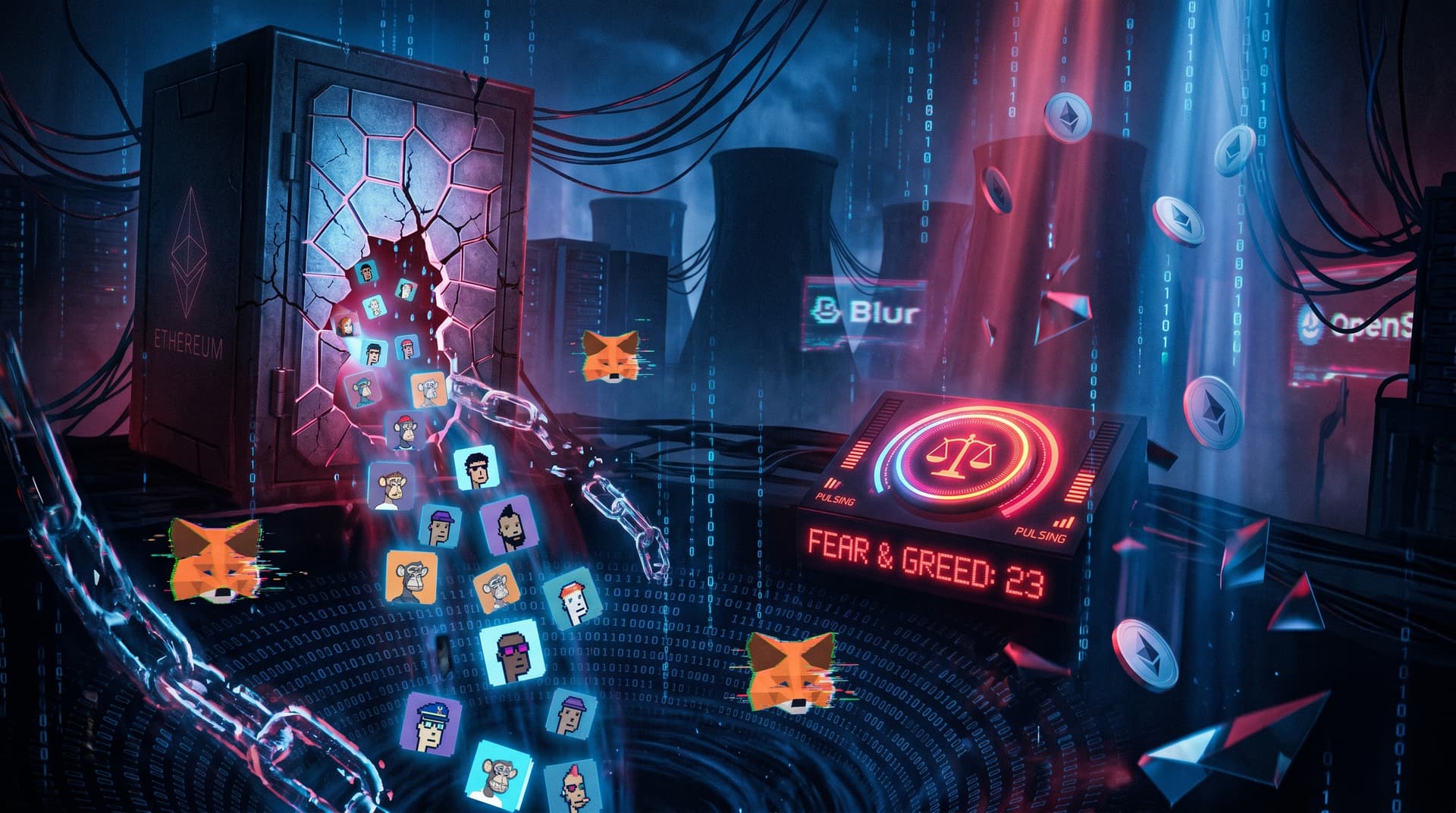
- OpenSea NFT trading volume dropped 15% amid Fear & Greed Index at 12 (April 14, 2026).
- Web3 creators face 20% higher compliance costs from new cybersecurity rules.
Key Takeaways
- Japan's FSA classifies crypto as financial products, requiring NFT platforms to adopt KYC by Q4 2026.
- OpenSea NFT trading volume dropped 15% amid Fear & Greed Index at 12 (April 14, 2026).
- Web3 creators face 20% higher compliance costs from new cybersecurity rules.
Japan crypto regulations classify cryptocurrencies as financial products, per Financial Services Agency (FSA) announcement on April 13, 2026. NFT marketplaces must secure licenses and implement KYC/AML by Q4 2026.
The Fear & Greed Index hit 12 (extreme fear) as of April 14, 2026, per Alternative.me. BTC traded at $70,935 (down 1.0%) and ETH at $2,194.65 (down 0.9%) on Ethereum mainnet, per CoinMarketCap at 10:00 UTC April 14, 2026.
Japan Crypto Regulations Mandate Licensing for NFT Platforms
FSA requires financial product licenses for crypto exchanges and NFT marketplaces like OpenSea and Magic Eden (Ethereum L1 and Solana mainnet). Platforms enforce KYC/AML protocols by year-end 2026, verified via on-chain transaction monitoring.
"This protects investors in volatile markets," said Shinichi Uchida, Bank of Japan deputy governor, at a Tokyo briefing on April 13, 2026.
Bored Ape Yacht Club (BAYC, contract 0xbc4ca0eda7647a8ab7c2061c2e118a18a936f13d) floor price fell to 12 ETH ($26,336 USD) on Blur marketplace (Ethereum mainnet, 7-day volume), down 8% from April 7, 2026, per CoinGecko at block 19,876,543.
New cybersecurity rules mandate wallet audits and smart contract vulnerability scans using tools like Slither.
NFT Marketplaces Overhaul Compliance
OpenSea reported 22% volume drop in Asia-Pacific last quarter (Q1 2026, Ethereum secondary sales), per The Block filings. Japan crypto regulations could raise operational costs 20% for royalty enforcement (5-10% on-chain).
Japanese NFT secondary volume hit 5,500 ETH ($12 million USD) in March 2026 on Ethereum mainnet, down from 7,200 ETH peak, per Glassnode on-chain data (April 14, 2026, Dune dashboard #14567).
Magic Eden (Solana mainnet, contract verification via Solscan) launched Japan-compliant KYC on April 10, 2026, boosting local volume 18% daily (24h change).
"NFT cyber risks demand strong defenses," said FSA Commissioner Ryozo Himeno. Platforms must report breaches within 24 hours to FSA portal.
Web3 Creators Navigate Regulation Barriers
Ethereum 1/1 art creators (ERC-721 standard) tie royalty enforcement to financial disclosures, with 2.5% minimum royalties enforced on-chain.
AI-generated NFT sales rose 35% in Q1 2026 (OpenSea, Blur data), but new rules cap unverified mints at 10% of total volume, per Decrypt analysis (April 12, 2026).
"Compliance fosters trust, potentially raising floors 15% long-term," said UBS economist Masamichi Adachi in Nikkei Asia interview.
Japan Bitcoin Ordinals holders reached 42,000 unique wallets (up 12% YoY), per Santiment on-chain metrics (April 2026, wallet age cohorts).
Cybersecurity Rules Transform NFT Infrastructure
FSA mandates multi-signature wallets (Gnosis Safe standard) and AES-256 encryption for NFT storage. Blur (Ethereum L1) integrates zero-knowledge proofs (zk-SNARKs) for privacy-preserving KYC.
Asia hack losses totaled $450 million USD in 2025, per Chainalysis 2026 report. Regulations require annual penetration testing to reduce incidents 50%.
Polygon (MATIC L2) gaming NFTs recorded 28% holder growth in Japan (unique addresses, 30-day). Rules add age gates (18+) and content moderation APIs.
On-Chain Data Flags NFT Caution
Ethereum L2 Base chain hosts 65% of Japanese NFT activity (tx volume, April 2026). Gas fees averaged 0.002 ETH ($4.40 USD) on April 14, 2026 (Etherscan).
Floor prices as of April 14, 2026 (OpenSea, Ethereum mainnet):
- CryptoPunks (contract 0xb47e3cd837ddf8e4c57f05d70ab865de6e193bbb): 45 ETH ($98,759 USD)
- Azuki (contract 0xed5af388653567af2f388e6224dc7c4b3241c544): 2.1 ETH ($4,609 USD)
FSA draft covers ERC-721/ERC-1155 tokens. Non-compliant collections risk delisting from licensed marketplaces.
Global Regulations Reshape NFT Markets
EU MiCA framework influences Japan's cybersecurity certifications for NFT platforms (cross-border KYC sharing).
U.S. SEC scrutiny rises; Yuga Labs submits NFT compliance plans (April 2026 filing).
Sony tokenized music NFTs generated 1,200 ETH ($2.6 million USD) volume since January 2026 under FSA pilots (Ethereum, verified sales).
Japan-based DAOs launched 150 new in 2026 (treasury >1 ETH), per DefiLlama on-chain tracking.
"Overregulation stifles innovation, but security wins," said trader Takashi Kotegawa (BnF) in CoinDesk Japan podcast.
Final Japan crypto regulations arrive Q3 2026, spurring compliant NFT growth and 10-20% volume recovery on licensed platforms.