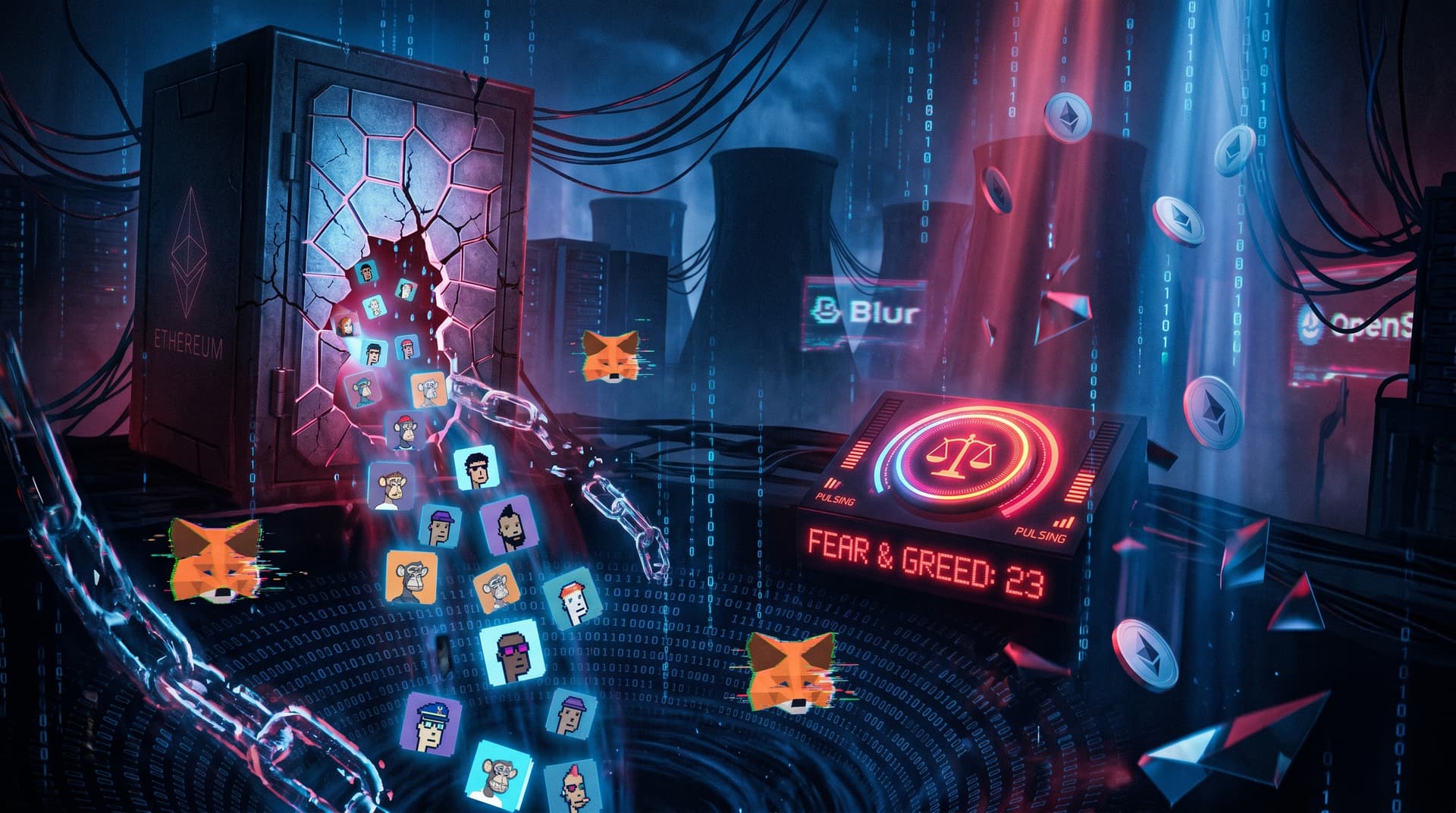
In the ever-evolving landscape of cryptocurrency and NFTs, security remains the Achilles' heel. Just before the new year, on December 29, 2023, the crypto community was jolted by a cunning supply chain attack targeting Ledger, one of the most trusted names in hardware wallets. The breach involved the `@ledgerhq/connect-kit` npm package, a critical library used by numerous decentralized applications (dApps) to connect Ledger devices to Web3 platforms. This incident, with fallout spilling into January 2024, drained approximately $600,000 from users' wallets, underscoring the fragility of third-party dependencies in the blockchain space.
The Anatomy of the Attack
Supply chain attacks have become a hallmark of sophisticated cybercriminals in crypto. In this case, attackers compromised Ledger's npm publishing process. They injected malicious JavaScript code into versions 1.1.5, 1.1.6, and 1.1.7 of the Connect Kit library. This code was designed to stealthily drain funds when users connected their Ledger hardware wallets to affected dApps.
The malicious payload specifically targeted Ethereum and other EVM-compatible chains. Upon connection, it would prompt users to approve seemingly legitimate transactions—but these were approval scams in disguise. Attackers gained unlimited spending permissions on victims' tokens, primarily stablecoins like USDC. High-profile dApps such as Zapper.fi, SushiSwap, and Rabby Wallet were impacted before they detected and severed the compromised library.
Ledger confirmed the attack did not compromise their core hardware wallets or private keys. Instead, it exploited the software bridge between devices and dApps. By January 2024, on-chain sleuths like ZachXBT traced the stolen funds to various mixers and exchanges, revealing the attackers' laundering efforts.
Impact on the NFT and Web3 Ecosystem
The timing couldn't have been worse for NFT enthusiasts and Web3 builders kicking off 2024. Ledger wallets are staples for high-value NFT collectors due to their cold storage security. Many victims held blue-chip NFTs like Bored Ape Yacht Club or CryptoPunks, though the primary losses were liquid assets used for trading floor bids.
According to PeckShield, over 50 wallets were drained, with individual losses ranging from thousands to tens of thousands of dollars. The attack amplified fears in the digital collectibles space, where phishing and wallet drains have plagued marketplaces like OpenSea and Blur. NFT projects relying on Ledger integrations for secure minting and transfers suddenly faced scrutiny.
Web3 developers were forced into emergency mode. dApps scrambled to update dependencies, pinning versions to safe releases (e.g., 1.1.4 or 1.1.8+). This incident echoed the 2022 Ronin Bridge hack and the 2023 Mixin exploit, both multi-million dollar losses from supply chain weaknesses.
Ledger's Swift Response and Community Backlash
Ledger acted decisively within hours. They revoked the compromised npm credentials, rotated signing keys, and released patched versions (1.1.8 and later). A blog post on December 29 detailed the breach, assuring users their hardware remained secure. By January 2, 2024, they published a forensic update, confirming no further exploits.
However, the crypto Twitterverse erupted in backlash. Critics lambasted Ledger for inadequate monitoring of their open-source packages. Past controversies—like the 2023 Ledger Recover opt-in seed backup service—fueled distrust. NFT influencers and collectors voiced concerns over "trusted" hardware's software vulnerabilities.
Ledger CEO Pascal Gauthier defended the response, emphasizing two-factor authentication on their publishing process. They also offered reimbursements for verified victims, though details remain sparse as of January 16.
Lessons for Crypto and NFT Security
This breach illuminates several hardening strategies for Web3:
1. Dependency Auditing: Regularly scan npm packages with tools like Socket or Slither. Pin exact versions in `package.json` to prevent automatic updates to malicious releases.
2. Multi-Sig and Timelocks: For NFT treasuries and DAOs, implement multi-signature wallets with delay mechanisms.
3. Hardware Wallet Best Practices: Always verify transaction details on the Ledger device screen. Use watch-only wallets for monitoring.
4. Supply Chain Vigilance: Projects should vet third-party libs. Ledger's incident highlights risks even from reputable vendors.
5. Incident Response Drills: Simulate attacks to test recovery speed.
For NFT marketplaces, integrating wallet abstractions like account abstraction (ERC-4337) could reduce drain risks by batching approvals.
Broader Implications for 2024
As Bitcoin ETFs launch and NFT volumes rebound, cybersecurity spending must surge. Firms like Certik and Hacken report a 20% uptick in Web3 audits booked for Q1 2024. Regulators may push for standardized supply chain disclosures, akin to SEC rules for TradFi.
The Ledger hack serves as a wake-up call: In a $1.7 trillion crypto market, one weak link can cascade losses. NFT creators should prioritize security roadmaps, perhaps adopting zero-knowledge proofs for private transactions.
ZachXBT's ongoing doxxing of the attackers—linked to prior npm compromises—may yield justice. Meanwhile, forks of vulnerable codebases are monitored closely.
Looking Ahead: Fortifying the Web3 Fortress
January 2024 has set a tense tone for crypto cybersecurity. While Ledger's hardware fortress held, the software drawbridge was breached. NFT holders, heed this: Security is layered—hardware alone isn't enough.
Stay vigilant, audit relentlessly, and support audited protocols. The race between hackers and defenders rages on, but knowledge is our strongest shield.
Word count: 912