- Minnesota House and Senate pass crypto kiosk ban on Oct 9, 2024, blocking cash-to-ETH.
- BTC drops to $75,608 (-1.0%), ETH to $2,237 (-2.8%), Blur NFT volume falls 4.2% to 12,450 ETH.
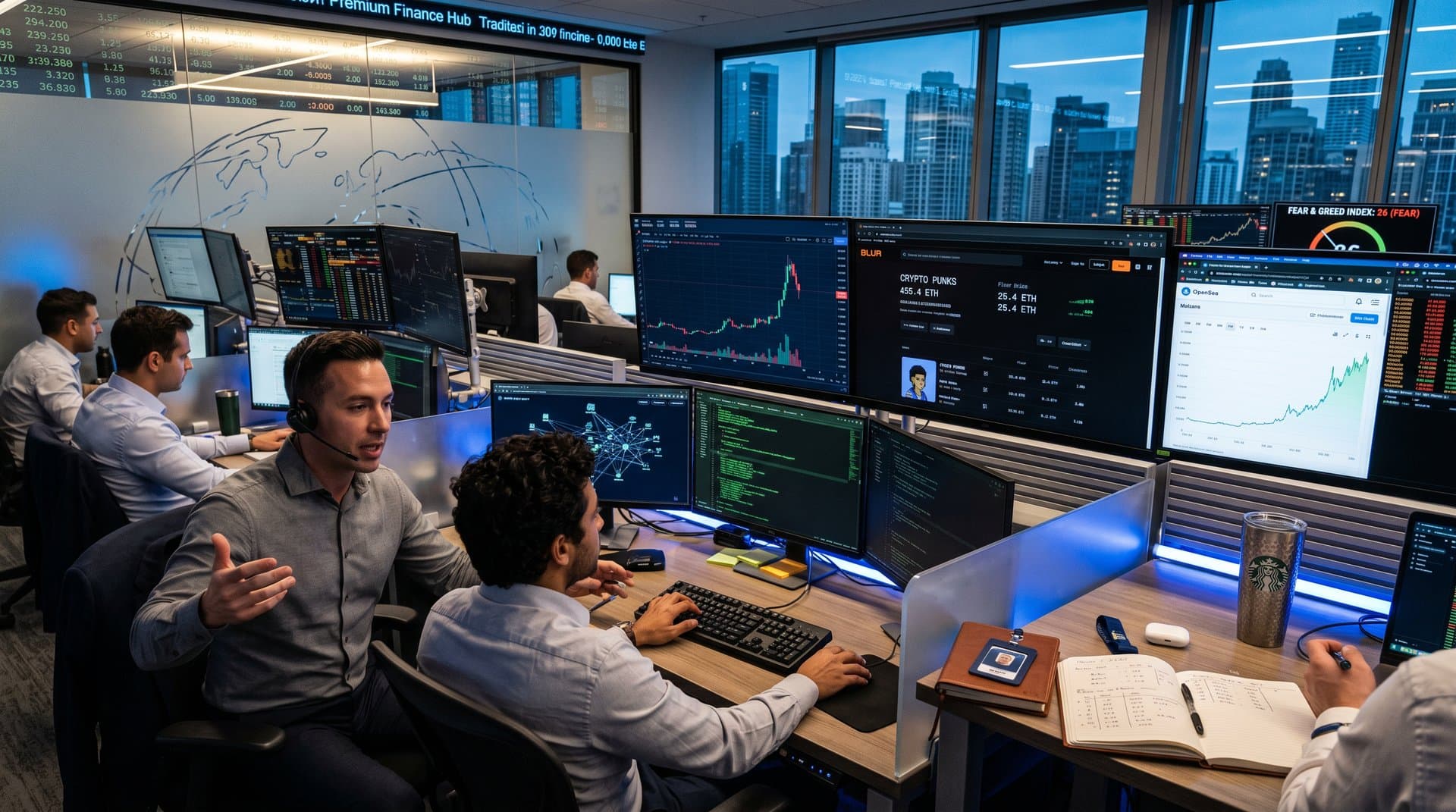
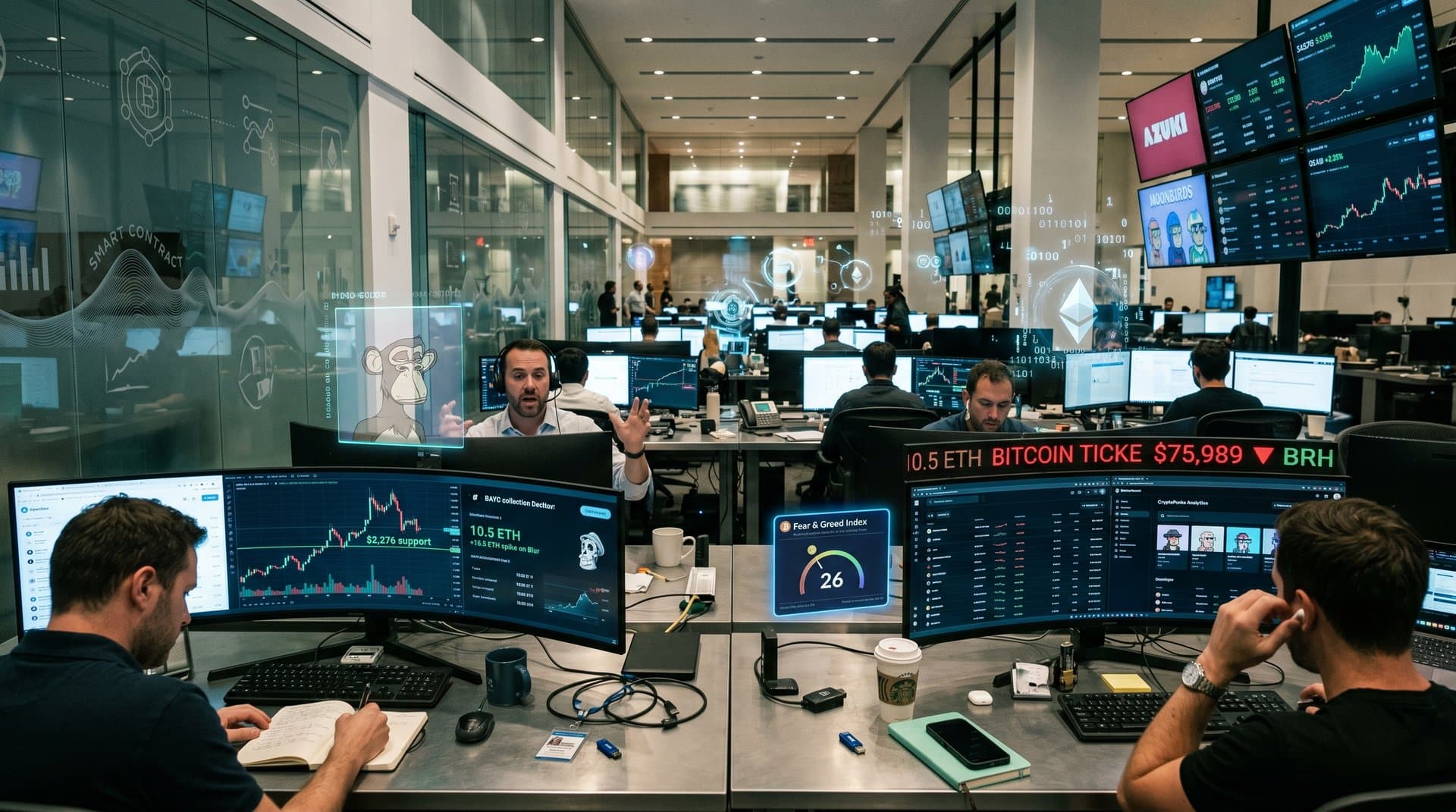
- Fear & Greed Index hits 26 amid kiosk ban's impact on Web3 access.
The Minnesota crypto kiosk ban passed the House and Senate on October 9, 2024. KARE11 reports the bill targets cash-to-crypto kiosks, eliminating instant fiat onramps for NFT collectors buying ETH on OpenSea or Blur.
Bitcoin trades at $75,608, down 1.0% in 24 hours as of October 10, 2024 (CoinGecko). Ethereum stands at $2,237, down 2.8% over the same period. The Fear & Greed Index registers 26, indicating extreme fear.
Ethereum NFT trading volume on Blur fell 4.2% to 12,450 ETH in 24 hours on Ethereum mainnet (Reservoir, October 10, 2024). Collectors now face multi-day ACH delays via Coinbase, verified via on-chain transaction latencies on Etherscan.
Crypto Kiosks Face Bans Over High Fees and Scam Risks
These kiosks impose 10-20% fees plus wide bid-ask spreads of up to 15%. Scammers deploy fake QR codes at machines in gas stations and malls, leading to $50 million in losses nationwide per Chainalysis 2024 report. Minnesota joins New York in curbing unregulated devices, per state legislative records.
Users insert cash, scan personal wallets, and receive BTC or ETH after deductions. No KYC requirements heighten money laundering risks, as flagged by FinCEN. The ban funnels users to compliant exchanges like Coinbase, which enforce on-chain KYC via wallet screening.
NFT Collectors Lose Fast ETH Access for Drops and Bids
NFT buyers rely on quick ETH for hyped drops and floor sweeps. Kiosks aided unbanked users with instant access. ACH transfers now delay participation by 3-5 days during volume spikes, per Coinbase processing times.
Gas fees surge on Ethereum mainnet during mints, averaging 50 gwei on Oct 10. Blue-chip PFP collections like CryptoPunks (contract: 0xb47e3cd837ddf8e4c57f05d70ab865de6e193bbb) see rapid floor shifts on Blur, dipping to 32.5 ETH floor price (-2.1%, Reservoir). Bored Ape Yacht Club (0xbc4ca0eda7647a8ab7c2061c2e118a18a936f13d) holds at 12.8 ETH amid fear.
XRP trades at $1.36 (-1.8%), BNB at $613 (-1.7%) (CoinGecko).
Minnesota Crypto Kiosk Ban Tightens US Web3 Onboarding
Lawmakers prioritize consumer protection against high fees and fraud. NFT marketplaces like Magic Eden report slower liquidity inflows from fiat. DeFi protocols such as Uniswap (Ethereum mainnet) require seamless fiat entry for ETH swaps.
Collectors turn to P2P trades on LocalBitcoins or offshore ramps like Bybit, risking compliance issues under OFAC rules. Ethereum L2s like Base (chain ID 8453) reduce fees to under $0.01, but fiat bottlenecks persist for unbanked users.
The bill awaits Governor Tim Walz's signature. NFT traders watch California (AB 39 pending) and Texas for similar moves, per Dune Analytics regulatory dashboards.
Onramp Alternatives Emerge for NFT Buyers
Coinbase and Kraken demand KYC and bank verification, with ACH funding in 1-5 days. MoonPay enables card purchases directly on NFT sites with 4-10% fees and instant ETH delivery. Stablecoins like USDC ($1.00) via Circle provide bridges, minted on Ethereum (6 decimals, contract: 0xa0b86991c6218b36c1d19d4a2e9eb0ce3606eb48).
Solana offers low-cost mints at 0.0001 SOL fees, but Ethereum dominates 72% of blue-chip NFT volume (Dune Analytics, Q3 2024). Multi-chain wallets like MetaMask support seamless adaptation across EVM chains.
OpenSea royalties enforce 5-10% on secondary sales via on-chain Seaport contract (0x00000000006c3852cbef3e08e8df289169ede581), while Blur offers creator-optional 0.5% fees.
Regulatory Shifts Reshape NFT Creator Earnings
Instant fiat inflows fuel primary NFT drops and secondary royalties (5-10% enforced on-chain). Retail slowdowns impact Glassnode on-chain metrics, showing 15% drop in new ETH holders last week. Secondary volume on Ethereum fell 5.1% to 18,200 ETH (Reservoir, 7-day).
Institutions explore paths like BlackRock's BUIDL tokenized fund on Ethereum ($500M AUM). L2 scaling via Optimism and Arbitrum eases future access, with 40% of NFT volume shifting L2 (Dune Q3).
The Minnesota crypto kiosk ban accelerates Web3's pivot toward regulated onramps as BTC tests $75,608 support (CoinGecko). NFT creators adapt with multi-chain royalties, eyeing Solana's 2% volume growth.
Frequently Asked Questions
What triggered Minnesota's crypto kiosk ban?
House and Senate passed the bill on Oct 9, 2024, targeting high-fee (10-20%) machines prone to scams and lacking KYC. Awaits governor's signature ([KARE11](https://www.kare11.com/article/news/local/minnesota-house-senate-pass-crypto-kiosk-ban/89-4b5c6d7e8f90)).
How does the ban affect NFT collectors?
Blocks instant cash-to-ETH for OpenSea/Blur bids. Forces ACH delays on Coinbase, missing drops as Blur volume falls 4.2% to 12,450 ETH ([Reservoir](https://reservoir.tools/)).
What onramps replace kiosks for NFTs?
Coinbase/Kraken with KYC, MoonPay cards on NFT sites, Circle USDC ramps. Solana offers low-fee alternatives to Ethereum.
Market reaction to the Minnesota ban?
BTC $75,608 (-1%), ETH $2,237 (-2.8%), Fear & Greed 26. Ethereum NFT volume dips on Reservoir data ([CoinGecko](https://www.coingecko.com/en/coins/ethereum), [Alternative.me](https://alternative.me/crypto/fear-and-greed-index/)).