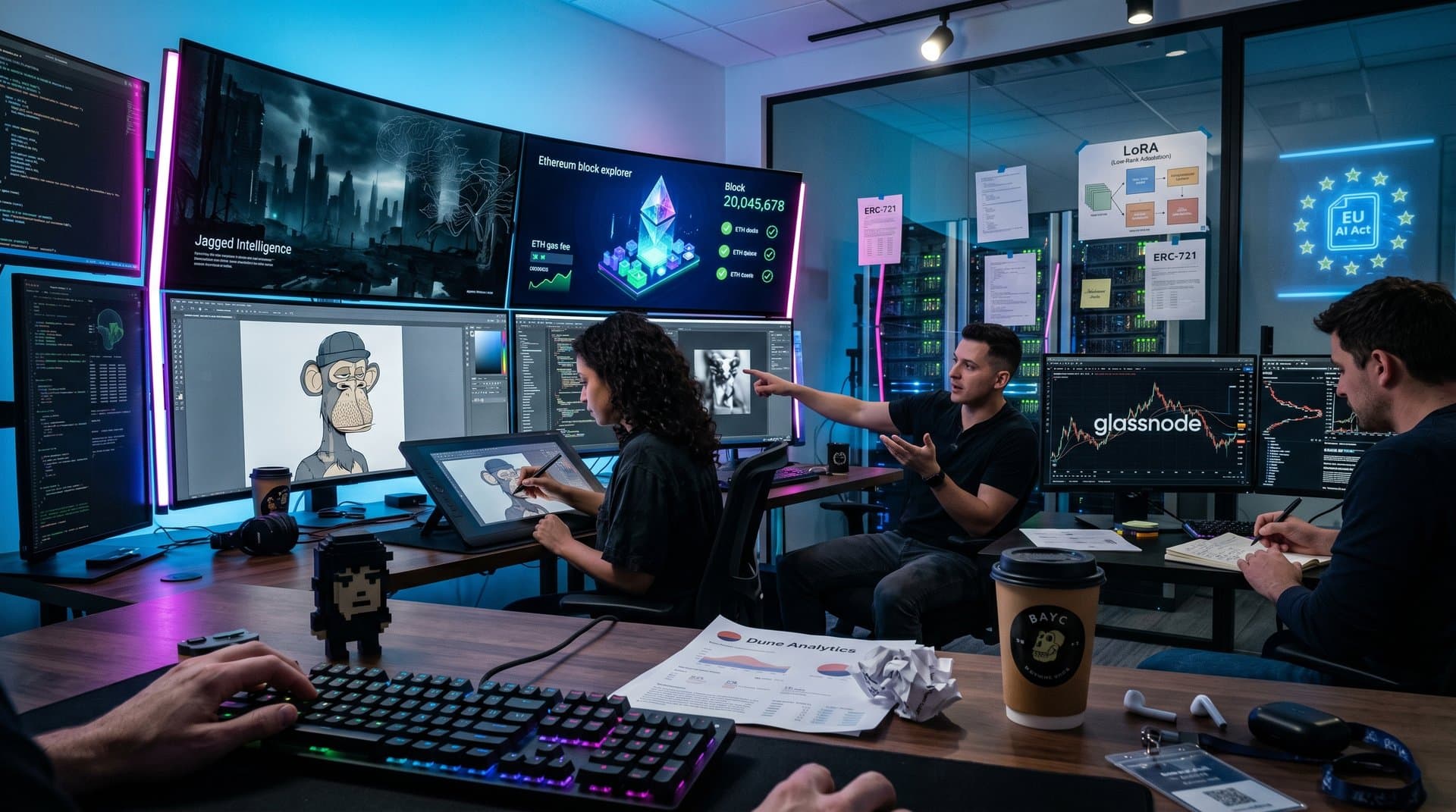
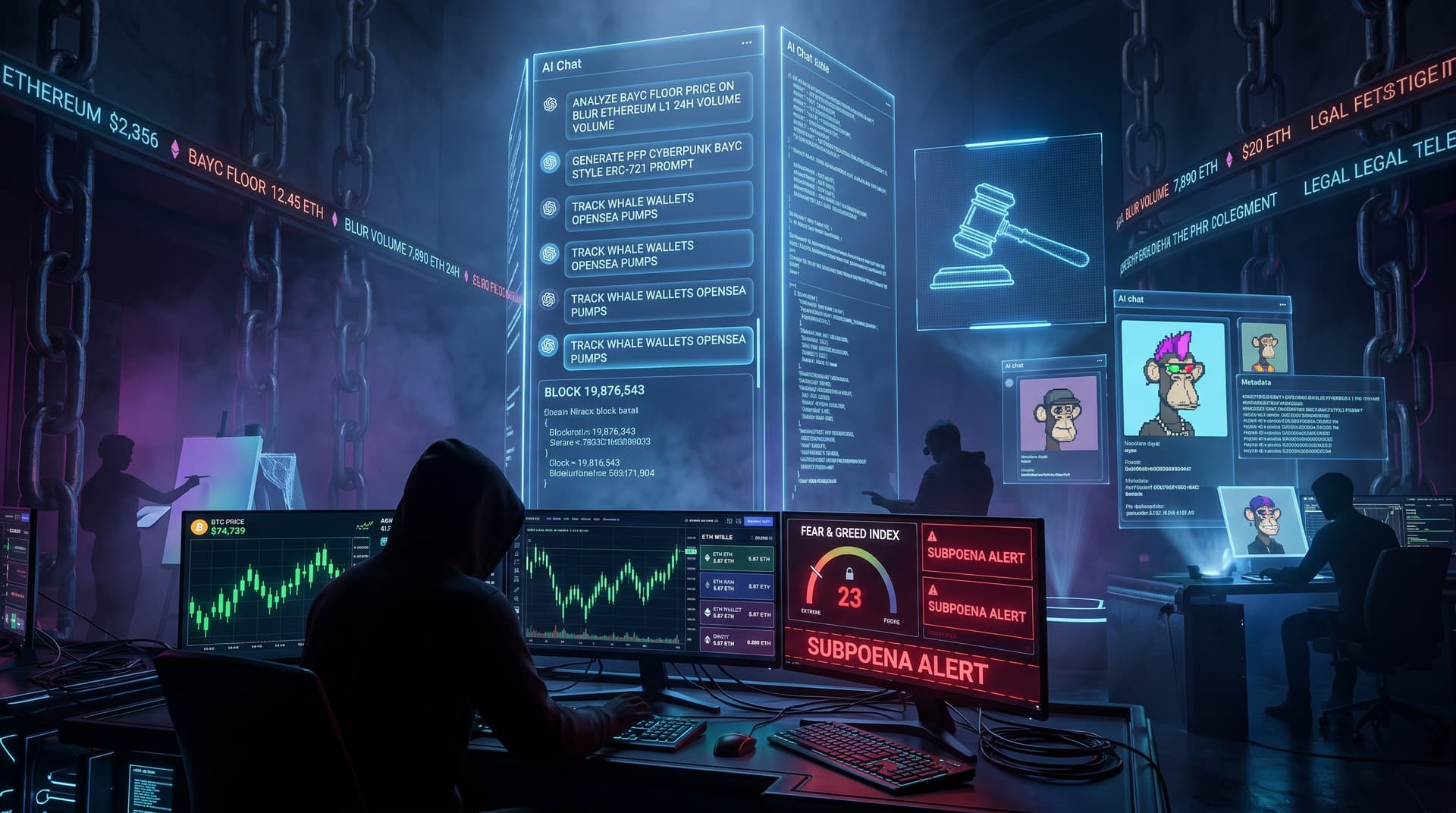
In a stunning development on November 17, 2023, OpenAI's board of directors announced the immediate removal of co-founder and CEO Sam Altman, citing a lack of candor in communications that eroded their confidence in his leadership. Greg Brockman, OpenAI's president, also stepped down in protest, while Chief Technology Officer Mira Murati was named interim CEO. This seismic shift in the heart of the AI world comes at a pivotal moment for the intersection of artificial intelligence and Web3, where generative tools from companies like OpenAI have fueled the resurgence of NFTs and digital collectibles.
The Sudden Ousting: What We Know
OpenAI's blog post detailing the decision emphasized that it was not due to any specific incident or financial concerns but rather a breakdown in trust. "Mr. Altman’s departure follows a deliberative review process by the board, which concluded that he was not consistently candid in his communications," the statement read. Altman himself posted on X (formerly Twitter) that he "loved" OpenAI and remained committed to its mission, hinting at an amicable yet abrupt end.
Microsoft, OpenAI's largest backer with a multi-billion-dollar investment, expressed support for the board's decision but is reportedly in talks to potentially bring Altman on board. The timing couldn't be worse for an industry riding high on AI hype, with ChatGPT and DALL-E powering everything from viral memes to high-value NFT drops.
OpenAI's Pivotal Role in NFT Genesis
Since the launch of DALL-E 2 in 2022 and its evolution into DALL-E 3 integrated with ChatGPT, OpenAI has been a cornerstone for AI-generated art. NFT creators have leveraged these tools to produce unique, algorithmically generated digital collectibles at scale. Projects like generative PFP collections on Ethereum and Solana owe much of their aesthetic innovation to diffusion models pioneered by OpenAI researchers.
Take, for instance, the explosion of AI art on platforms like Art Blocks and Foundation. Artists using Midjourney—a rival but inspired by similar tech—have minted millions in sales, but OpenAI's closed-source approach has sparked debates in Web3 about decentralization. OpenAI's influence extends to NFT marketplaces: OpenSea and Blur integrations with AI preview tools draw directly from this ecosystem. Altman's ouster raises fears of slowed innovation, especially as competitors like Stability AI (with Stable Diffusion) face their own legal battles over training data.
In the past year, we've seen NFT floor prices rebound for AI-themed collections. Projects like Alethea AI's 'Alice' NFT characters, which use liquid AI for interactive avatars, have thrived amid the bull run in AI tokens. Altman's leadership supercharged the narrative that AI would democratize creativity, leading to over $2 billion in AI-related crypto market cap by mid-November 2023.
Sam Altman's Web3 Bet: Worldcoin Under Scrutiny
Beyond OpenAI, Altman's deepest crypto ties are with Worldcoin, the iris-scanning cryptocurrency project he co-founded via Tools for Humanity. Launched in beta earlier in 2023, Worldcoin uses 'Orbs'—physical devices that scan users' irises to verify uniqueness and distribute WLD tokens as universal basic income. Billed as 'proof of personhood' to combat AI bots in Web3, it blends biometrics, AI, and blockchain.
Worldcoin has faced backlash over privacy concerns, regulatory probes in multiple countries, and scalability issues with its Orb rollout. By November 2023, it had scanned over 2 million irises across 35 cities, raising $250 million from investors like a16z. Altman's dual role amplified Worldcoin's visibility, positioning it as a bridge between centralized AI giants and decentralized finance. His removal from OpenAI could destabilize investor confidence in Worldcoin, especially as WLD trades volatilely around $2.30.
NFT enthusiasts see parallels: Worldcoin's World ID could enable sybil-resistant airdrops and NFT mints, ensuring one-person-one-NFT ownership. Projects experimenting with AI oracles for dynamic NFTs might now pivot to fully on-chain alternatives like Bittensor or Render Network.
Crypto Market Tremors: AI Tokens React
The news hit as AI crypto tokens were surging. Render Network (RNDR), which decentralizes GPU compute for AI rendering crucial for NFT visuals, jumped 15% in the preceding week. Fetch.ai (FET) and SingularityNET (AGIX), focused on autonomous AI agents and decentralized AGI, saw similar gains amid broader market recovery post-FTX.
Ocean Protocol (OCEAN), enabling AI data marketplaces for training models without centralized gatekeepers, embodies the Web3 counter to OpenAI's model. On November 17, these tokens dipped 2-5% in early trading, reflecting uncertainty. NFT volumes on AI art platforms like Zora and Manifold ticked down slightly, with traders awaiting clarity.
"Altman's exit is a reality check for Web3 builders relying on Big Tech AI," says NFT artist and curator Beeple (Mike Winkelmann), whose $69M 'Everydays' sale kickstarted the generative art boom. "Decentralized AI like on Solana's Helium or Ethereum L2s will fill the void faster now."
Implications for NFT Creators and Web3 AI
For digital collectibles, the biggest risk is stalled access to cutting-edge models. DALL-E's safety filters have already frustrated artists seeking uncensored outputs, pushing many to open-source alternatives. Projects like Infinite Objects' AI video NFTs or XCOPY's glitch art could accelerate on-chain generation using tools from Hugging Face integrated with IPFS.
On the bullish side, this drama underscores the need for Web3-native AI. Bittensor's TAO token, powering a decentralized machine learning network, has minted over 100 AI 'subnets' by November 2023. Render's migration to Solana promises cheaper, faster AI renders for metaverse assets.
Regulatory eyes are also turning: With Worldcoin under fire, Altman's diminished influence might ease scrutiny on AI ethics in crypto, or intensify it if Microsoft absorbs OpenAI talent.
Looking Ahead: Decentralization Wins?
Sam Altman's firing marks a turning point. While OpenAI's tech remains foundational, Web3's ethos of permissionless innovation positions it to thrive independently. NFT projects blending AI with zero-knowledge proofs for private generation—like those on zkSync—stand to gain.
As Mira Murati steers the ship, expect a more research-focused OpenAI, potentially open-sourcing elements to appease the community. For NFT News Today readers, this is a call to action: Build on decentralized stacks like Gensyn or Akash Network for truly owned AI creativity.
The AI-NFT fusion is just beginning, and no single CEO's exit will derail it. Stay tuned as markets digest this bombshell.
Word count: 912